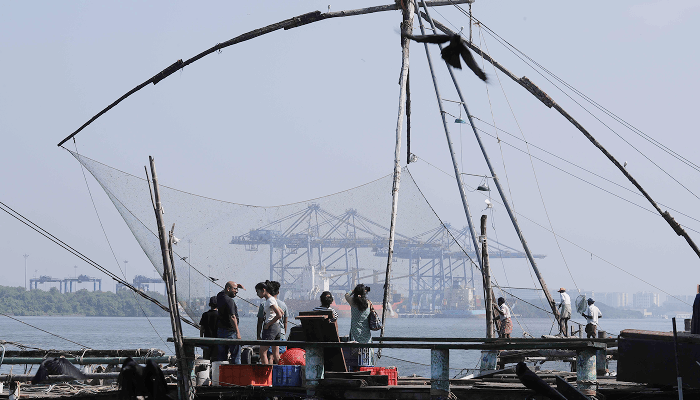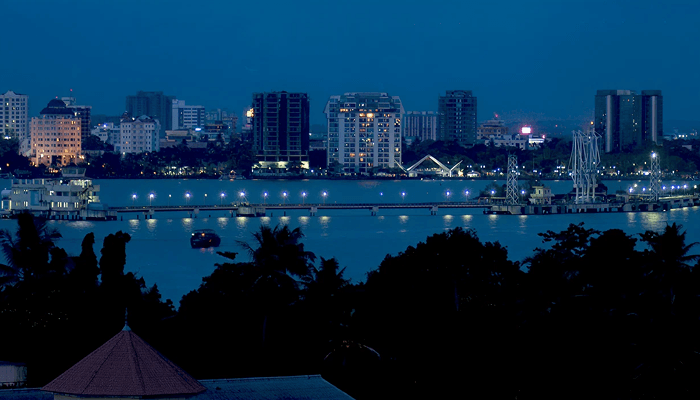
Koder House, Cochin Tower Rd, Fort Kochi, Kochi, Kerala 682001
The history of Koder House, one of Fort Kochi’s most distinguished heritage residences.
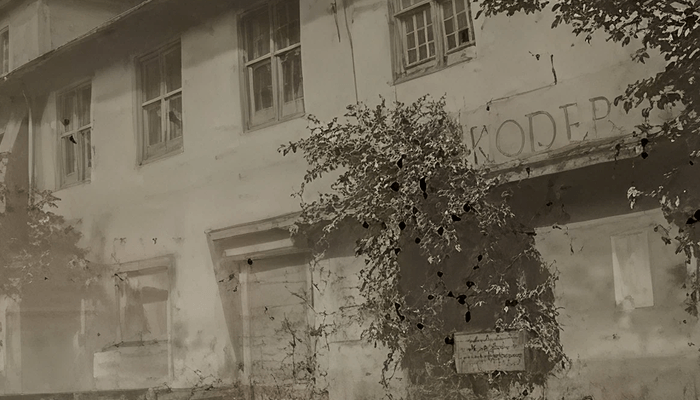
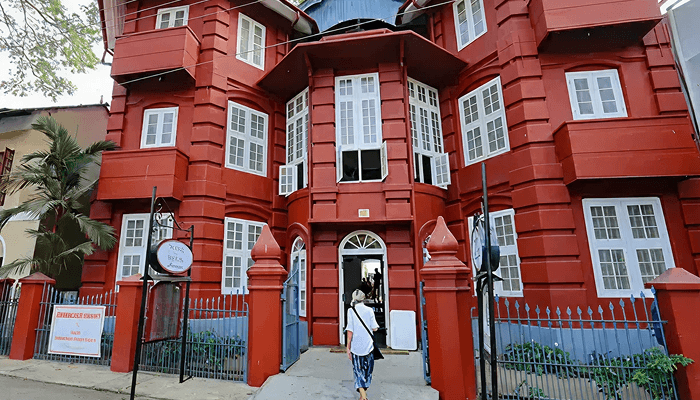
Koder House stands as one of Fort Kochi’s most recognizable historic residences, distinguished by its red facade and its enduring place in the city’s social and cultural memory.
More than a landmark, the house represents a way of life shaped by commerce, diplomacy, hospitality, and intellectual exchange, all centered around the influential Koder family.
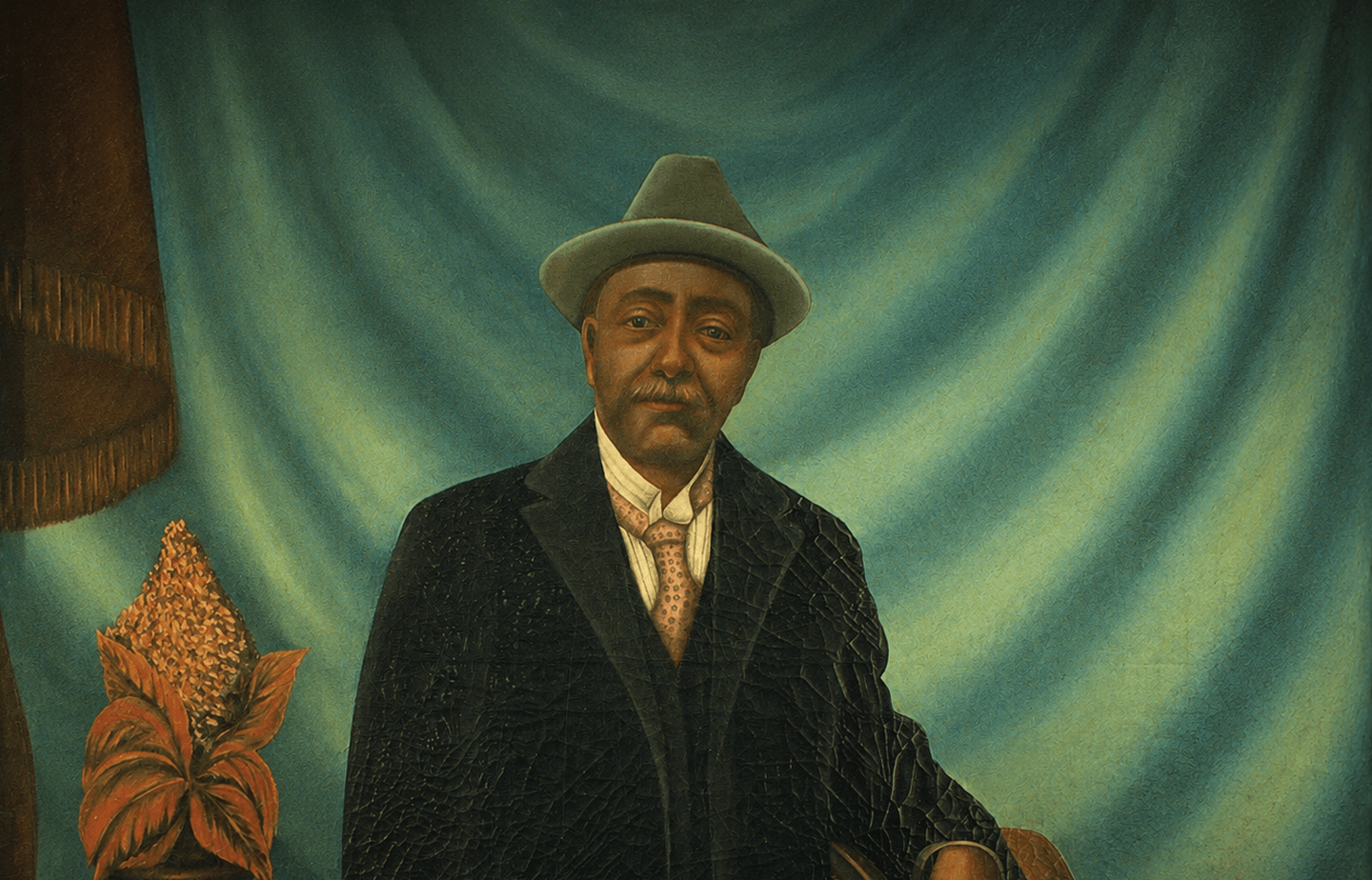
Koder House was built by Samuel Koder, patriarch of one of Cochin’s most prominent Jewish families. The house was constructed across three floors, believed to reflect his intention that each of his three sons would eventually occupy a floor of the residence. History, however, took a different course, as business interests carried the sons far beyond Cochin.
Reconstructed over an early nineteenth-century Portuguese mansion, the house reflects a layered architectural past. It is believed to have been structured and gabled in Europe before being shipped to Cochin and assembled on site, a testament to the global connections that defined the family.
The Koders migrated to Cochin from Iraq several centuries ago and became deeply embedded in the city’s commercial and cultural fabric. Over time, they emerged as influential figures whose activities shaped everyday life in Cochin across communities and generations.
Samuel Koder ran the Cochin Electric Company, which was later sold to the government, and also established a chain of department stores across Kerala. These stores were known for their scale and ambition, stocking everything from everyday provisions to imported luxury goods.
Alcoholic beverages from the abroad, fine clothing, and chandeliers sourced from Europe were among the many items available. In their heyday, the Koders were widely regarded as civic leaders, often described as the city’s unofficial aristocracy.
As the Honorary Consul to the Netherlands, Samuel Koder played an important diplomatic role in Cochin. The house frequently hosted Dutch ambassadors and visiting dignitaries, further cementing its reputation as a centre of influence and exchange. He was also one of the founding
members of the Freemasons’ organisation in Cochin, reinforcing his role within the city’s intellectual and social circles.
Under Satu Koder, the house became renowned for its Friday Open House, a custom he initiated that soon became an institution on Cochin’s social calendar. Each Friday, the doors of the house were opened to a wide and diverse circle.
Christians, Jews, and others gathered in an atmosphere defined by conversation, exchange, and hospitality. Visitors could number as many as forty-five on one occasion or just a handful on another. Among them were ambassadors, judges, lawyers, professors, students, financiers, rabbis, celebrities, and heads of state. Conversation and food were always central, and anticipation for the evening often built throughout the week.
Following the passing of one brother and the dispersal of the family, the house eventually became home to Satu Koderand his wife Gladys. With their passing, an era in the life of the house came to an end.
Satu Koder’s daughter, Queenie Hallegua, later sold the house to its present custodians. Her husband, Mr. Sammy Hallegua, served as the warden of the Jewish Synagogue, following in the footsteps of Satu Koder, who held the same role for over forty years.
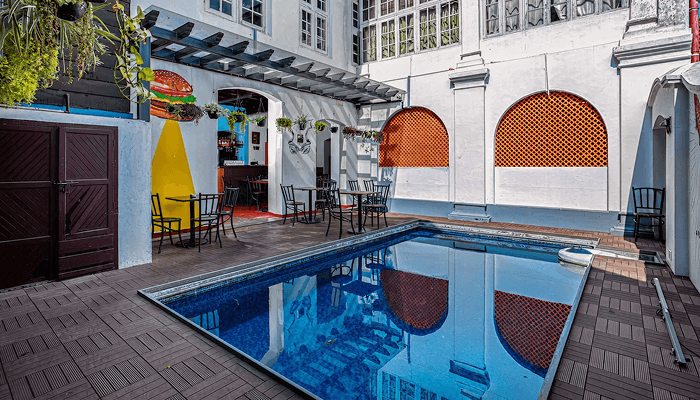
Koder House is formally recognised as a heritage monument by INTACH, and its restoration has been guided by a commitment to preserving its architectural integrity and historical character. Today, the house has been carefully reimagined as a luxury heritage boutique hotel, allowing its legacy to remain present and lived with rather than confined to the past.
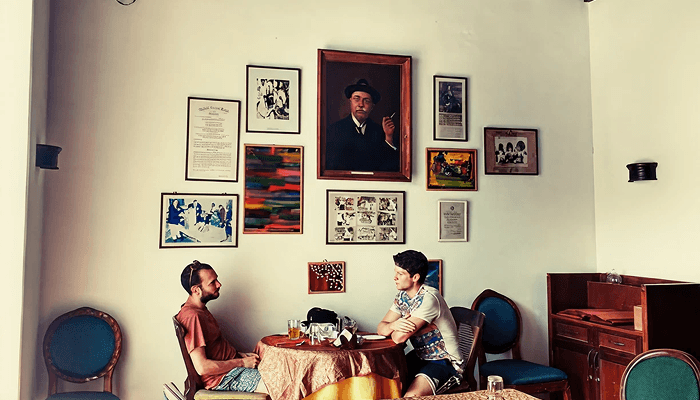
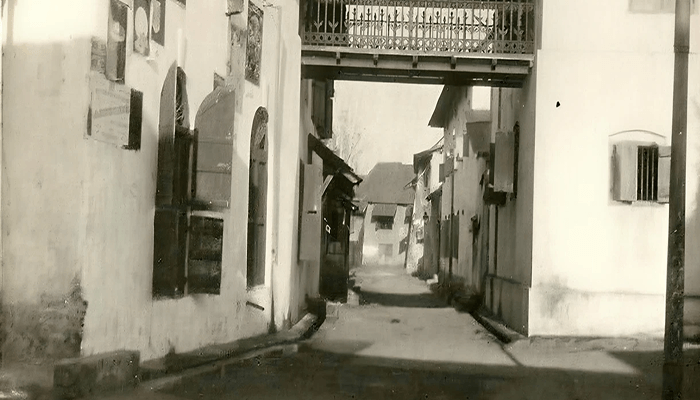
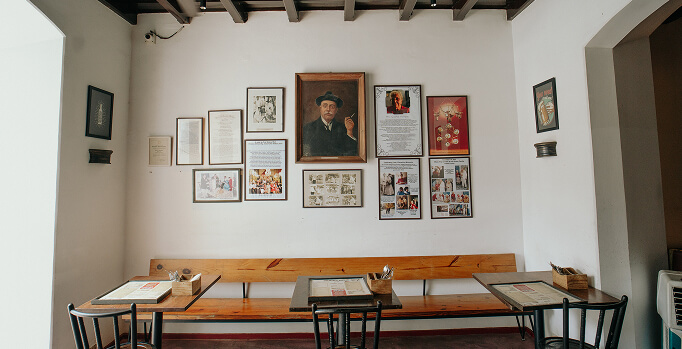
As part of this commitment to preservation, a dedicated heritage gallery located by the plunge pool displays archival photographs and historical material documenting the Koder family and the house’s past. This space offers an opportunity to pause, reflect, and trace the story of the residence from its construction and global influences to the people, gatherings, and traditions that shaped it.
Koder House is not merely remembered; it continues to exist as a living chapter in Fort Kochi’s history.